
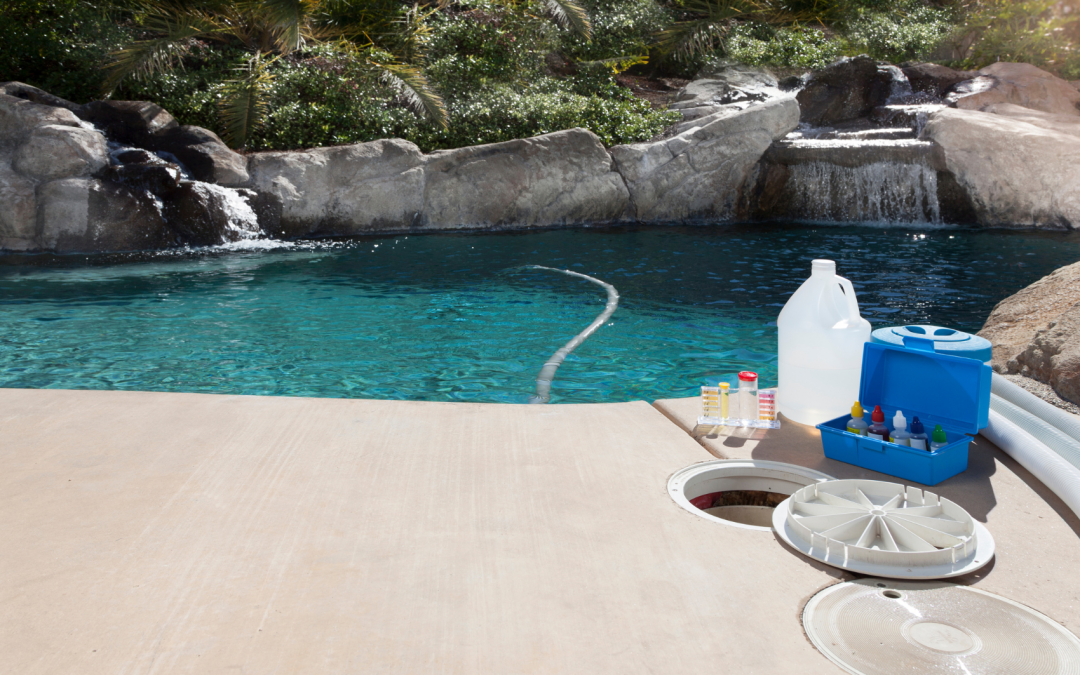
As winter loosens its grip on St. Louis and the first hints of spring emerge, pool owners across the region are eagerly anticipating another season of backyard relaxation and fun. But before you can dive in, your swimming pool needs proper preparation after months of winter dormancy. A successful spring pool opening in St. Louis requires more than just removing the cover and turning on the pump – it demands attention to detail and an understanding of our unique local climate challenges.
At Accurate Pool and Landscape, we’ve helped hundreds of St. Louis homeowners transition their pools from winter hibernation to summer oasis. In this comprehensive guide, we’ll walk you through everything you need to know about opening your pool for the season, whether you’re a DIY enthusiast or considering professional help.
When is the Right Time to Open Your Pool in St. Louis?
Timing is everything when it comes to pool opening in St. Louis. Open too early, and you’ll fight a constant battle against pollen and cooler temperatures. Wait too long, and you might be dealing with a green algae swamp that requires extensive treatment.
In the St. Louis region, most pool owners find success opening their pools between mid-April and early May. This timeframe typically offers the perfect balance – temperatures are consistently warm enough to prevent algae growth (ideally when daytime temperatures regularly exceed 70°F), while avoiding the peak of spring pollen season that can quickly dirty a freshly opened pool.
Keep in mind that our unpredictable Midwest weather patterns might require some flexibility. A particularly warm early spring might call for an earlier opening, while a cooler season might allow you to wait until later in May.
Essential Tools and Supplies for Pool Opening
Before diving into the process, gather these essential pool opening supplies to ensure a smooth experience:
- Pool cover pump (for removing standing water)
- Soft broom or pool brush (for cleaning the cover)
- Pool brush, vacuum, and skimmer net
- Start-up chemical kit (chlorine shock, pH increaser/decreaser, alkalinity adjuster)
- Water testing kit or test strips
- Pool filter cleaner
- Lubricant for O-rings and gaskets
- Basic tools (screwdrivers, wrenches)
Many local St. Louis pool supply stores offer comprehensive opening kits specifically formulated for our regional water conditions. Investing in quality supplies now can prevent headaches later in the swimming season.
Step-by-Step Pool Opening Process
Step 1: Remove and Clean the Pool Cover
First impressions matter, and your pool opening begins with safely removing and storing the cover that protected your investment all winter.
- Remove debris and water: Clear any leaves, sticks, and debris from the cover surface. Use a cover pump to remove standing water.
- Clean the cover: Once the cover is removed, clean it thoroughly with a mild cleaner designed for pool covers. The St. Louis spring brings heavy pollen and seed pods from our abundant trees – take extra care to remove these potential staining agents.
- Proper storage: Allow the cover to dry completely before folding to prevent mildew and mold growth. Store in a cool, dry place away from potential rodent nesting areas.
Pro tip: Take photos of how your cover is secured before removing it. This visual reference will make installation much easier when fall arrives.
Step 2: Clean the Pool and Remove Debris
With the cover removed, you’ll likely find some debris has made its way into your pool despite your best winter protection efforts.
- Remove large debris: Use a skimmer net to remove leaves, sticks, and other large items that have found their way into your pool.
- Brush surfaces: Thoroughly brush the walls, steps, and floor of your pool to loosen any clinging debris or early algae formation. St. Louis’ humid climate can encourage algae growth even under covers.
- Initial vacuum: Depending on the amount of debris, you may need to vacuum the pool to waste (bypassing your filter) to remove heavier sediment.
Local consideration: If your property has mature oak trees (common throughout St. Louis County), you might face additional cleaning challenges from acorns and small leaf debris. Consider scheduling your opening after the bulk of spring tree droppings have occurred.
Step 3: Inspect and Install Pool Equipment
Now it’s time to get your pool’s circulatory system back in working order.
- Inspect equipment: Carefully examine pumps, filters, heaters, and chlorinators for any cracks, leaks, or winter damage. Look for evidence of freeze damage or pest intrusion – both common issues in our Midwest climate.
- Replace damaged parts: Address any equipment concerns before proceeding. Local St. Louis pool supply stores typically stock common replacement parts.
- Reassemble and reinstall: Replace drain plugs in the pump and filter (removed for winterizing), reinstall the filter components, and reconnect any plumbing lines or equipment that was disconnected for winter.
- Lubricate O-rings: Apply pool lubricant to all O-rings and gaskets to ensure proper seals and extend equipment life.
Safety reminder: Always ensure power is disconnected when working with electrical pool components, and never run the pump dry.
Step 4: Water Level and Initial Treatment
Proper water levels and initial chemical treatment set the stage for a successful season.
- Add water: Fill your pool to the middle of the skimmer opening. St. Louis municipal water typically has higher mineral content than many regions, so consider using a hose filter to reduce metals and minerals.
- Start circulation: Once water reaches the proper level, start your filtration system. Listen for any unusual noises and check for leaks.
- Initial shock treatment: Add a heavy dose of pool shock according to package directions. This initial super-chlorination helps eliminate any contaminants that developed during the winter months.
- Run filtration: Allow your filter to run continuously for 24-48 hours to fully circulate the initial treatment and clear up the water.
Local water tip: St. Louis water tends to have higher calcium and mineral content than national averages. Consider using a metal sequestrant as part of your opening process to prevent staining and scaling.
Step 5: Balancing Pool Chemicals

Once your initial shock treatment has circulated, it’s time for fine-tuning your water chemistry.
- Test water parameters: Using a reliable test kit, check:
- pH (ideal range: 7.4-7.6)
- Total alkalinity (ideal range: 80-120 ppm)
- Calcium hardness (ideal range: 200-400 ppm)
- Chlorine level (ideal range: 1-3 ppm)
- Adjust chemicals gradually: Make incremental adjustments to bring chemicals into proper range, allowing 6-12 hours between treatments.
- Regular testing: Continue testing daily until all levels stabilize, then transition to a weekly testing schedule. Testing is extremely important to your pool’s health as well as your own. The CDC has more information here on keeping your pool safe for swimming
Regional consideration: St. Louis humidity and frequent spring thunderstorms can affect your pool’s pH balance. Be prepared to make more frequent adjustments during particularly rainy periods.
Common Spring Pool Opening Problems in St. Louis
Even with careful preparation, St. Louis pool owners often encounter these challenges during opening.
Green or Cloudy Water

Our region’s warm, humid climate creates perfect conditions for algae growth. If your pool opens to green water:
- Shock the pool with triple the normal dose
- Run the filter continuously
- Brush surfaces twice daily
- Add algaecide specifically formulated for your type of algae
- Consider enzyme treatments to break down organic matter
Equipment Issues After Winter
Freeze-thaw cycles in our unpredictable Missouri winters can cause damage to plumbing and equipment:
- Inspect for cracks in plumbing, especially at joints
- Test pump motors before full operation
- Check heater connections for rodent damage (common in St. Louis)
- Ensure proper electrical connections and ground fault protection
Pollen Problems
St. Louis’ abundant tree population means heavy pollen in April and May:
- Skim surface frequently
- Use tennis balls in skimmers to absorb oils
- Consider installing a pool cover when not in use during peak pollen
- Use clarifier to help filtration systems capture microscopic particles
Benefits of Professional Pool Opening Services
While many St. Louis homeowners successfully open their pools themselves, professional opening services offer significant advantages. You can also ready more about our Pool Opening Services here.
Expert Knowledge of Local Conditions
Accurate Pool and Landscape technicians understand St. Louis’ specific water chemistry challenges and seasonal timing. Our experience with local water conditions means we can prevent problems before they start.
Equipment Expertise
We can identify potential equipment issues that might be missed by untrained eyes, potentially saving you from mid-season repairs or replacements when service providers are at their busiest.
Time and Convenience
A professional pool opening in St. Louis typically takes our team 2-3 hours, compared to the full weekend many homeowners spend on the task. We bring all necessary chemicals, equipment, and expertise to get your pool swim-ready quickly.
Peace of Mind
Our professional opening includes a comprehensive system check and initial water balancing, ensuring everything is operating at peak efficiency from day one.
Our professional pool opening services in St. Louis start at $299 for standard residential pools, with custom pricing for larger or more complex installations. Many customers find that combining opening and closing service packages provides the best value.
Post-Opening Maintenance Tips
Once your pool is open and balanced, maintain its pristine condition with these practices:
- Weekly testing: Check chemical levels at least weekly, more often during periods of heavy use or rain.
- Circulation: Run your pump at least 8-12 hours daily during the swimming season.
- Regular cleaning: Skim, brush, and vacuum weekly to prevent buildup.
- Monthly maintenance: Perform deeper cleaning of filters and skimmer baskets monthly.
- Watch for signs of trouble: Address any water clarity or equipment issues immediately before they become larger problems.
Ready for a Hassle-Free Pool Opening?
Opening your pool properly sets the stage for a season of trouble-free enjoyment in your backyard oasis. Whether you choose the DIY approach or prefer to leave it to the professionals, proper spring pool opening in St. Louis is an investment in your summer fun and your pool’s longevity.
At Accurate Pool and Landscape, we’ve helped St. Louis homeowners open and maintain their pools for over 15 years. Our experienced technicians understand the unique challenges of our local climate and water conditions, ensuring your pool opens crystal clear and stays that way all season.
Contact us today to schedule your professional pool opening or to learn more about our comprehensive maintenance packages that keep your pool in perfect condition year-round.
Frequently Asked Questions About Pool Opening in St. Louis
Can I open my pool myself if I’ve never done it before?
Yes, first-time pool owners can successfully open their pools by following detailed guides like this one. However, having professional assistance for your first opening provides valuable education and ensures everything is done correctly.
How early can I open my pool in St. Louis?
While some eager swimmers open as early as late March, mid-April to early May typically provides the most reliable weather conditions for pool opening in our region.
What should I do if my water is green after removing the cover?
Green water indicates algae growth. Implement aggressive shock treatment, continuous filtration, and algaecide according to manufacturer directions. In severe cases, professional cleaning or partial water replacement might be necessary.
How long after opening my pool can we swim?
After proper chemical balancing, wait until chlorine levels drop to 1-3 ppm before swimming, typically 24-48 hours after your initial shock treatment.