
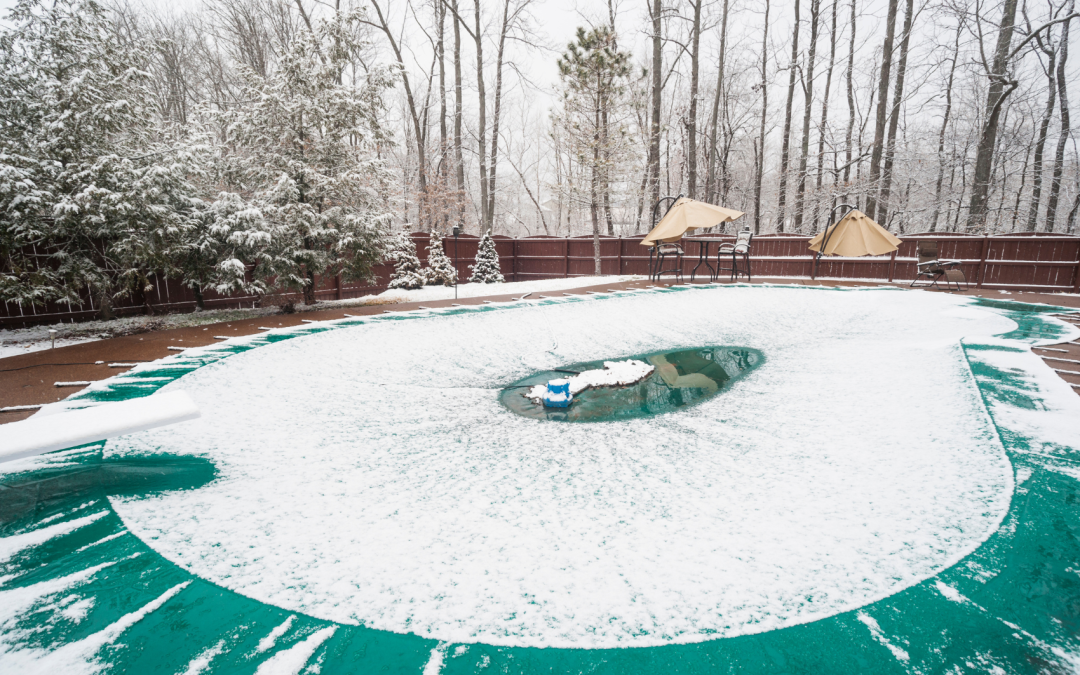
How to Winterize Pool: Complete Guide to Protect Your Investment
The first hard freeze of the season can turn pool equipment into expensive scrap metal. We’ve seen it happen countless times – homeowners who didn’t properly winterize pool systems, only to discover cracked pump housings, split filter tanks, and thousands of dollars in damage come spring. Don’t let this be your story.
In our 15+ years serving pool owners throughout the region, we’ve perfected the process to winterize pool equipment and water for maximum protection. Whether you’re a first-time pool owner wondering how to winterize pool systems or someone who’s been putting off that annual ritual, this comprehensive guide will walk you through exactly how to winterize your pool – the right way.
Learning how to winterize pool equipment properly isn’t just about covering it and hoping for the best. It’s a systematic process that protects your equipment, preserves water quality, and saves you from costly spring repairs. By following these proven steps to winterize pool systems, you’ll protect your investment like a pro and enjoy peace of mind all season long.
Why Learning How to Winterize Pool Equipment Matters More Than You Think
The difference between knowing how to winterize pool systems properly and taking shortcuts becomes crystal clear every spring. We’ve responded to countless emergency calls from pool owners who discovered the hard way that failing to properly winterize pool equipment is never worth the risk.
Equipment protection is your biggest concern when you winterize pool systems. When water freezes, it expands with tremendous force – enough to crack pump housings, split filter tanks, and rupture heater heat exchangers. A single freeze event can cause thousands of dollars in damage that could have been prevented by learning how to winterize pool equipment correctly. Pool pumps alone can cost $800 to $1,500 to replace, not including installation.
Water quality preservation saves time and money when you winterize pool water properly. Pools that aren’t correctly balanced and treated when owners winterize pool systems often develop stubborn algae blooms, metal staining, and scale buildup over winter. These issues don’t just look terrible – they require expensive chemical treatments and sometimes even pool draining to resolve. We’ve seen green swamp water that took weeks and hundreds of dollars in chemicals to restore.
The spring startup advantage is real when you winterize pool systems correctly. Properly winterized pools open faster, cleaner, and with fewer headaches. Instead of spending your first warm weekend battling algae and debris, you’ll be swimming in clear water while your neighbors are still scrubbing their pool walls.
One client last year learned this lesson the expensive way. Despite our recommendations on how to winterize pool equipment, they decided to handle the process themselves and skipped several crucial steps. When we arrived for their spring opening, we found a cracked pump housing, a split filter tank, and water so contaminated it had to be completely drained and refilled. What should have been a $200 spring opening became a $3,000 equipment replacement and startup nightmare.
When to Winterize Pool: Timing Is Everything
The question we hear most often is “When should I winterize pool equipment?” The answer isn’t found on a calendar – it’s in your thermometer. Learning when to winterize pool systems is all about water temperature, not the date.
The magic number when you winterize pool water is 65 degrees Fahrenheit. Once your pool water consistently stays below 65°F for several days, it’s time to begin the process to winterize pool systems. At this temperature, algae growth slows significantly, and you’re getting close to potential freezing conditions that can damage equipment.
In our service area, we typically winterize pool equipment between mid-October and early November, but climate variations can push this timeline in either direction. We’ve learned how to winterize pool systems as early as late September during unusually cold years and as late as December during mild autumns. The key is watching the forecast and your pool thermometer, not the calendar.
Look for these telltale signs it’s time to winterize pool systems: Falling leaves accumulating faster than you can skim them, reduced pool usage even on nice days, and nighttime temperatures consistently dropping into the 40s. These environmental cues, combined with that crucial 65-degree water temperature, signal that it’s time to winterize pool equipment.
Don’t wait for a freeze warning to winterize pool systems. By the time your local weather service issues freeze alerts, you’re cutting it too close. Pool equipment needs to be drained and winterized before temperatures drop below freezing, and the process to winterize pool systems takes time to complete properly.
Essential Supplies to Winterize Pool: Your Complete Toolkit
Having the right supplies on hand before you start learning how to winterize pool systems makes the difference between a smooth process and multiple trips to the pool store. Over the years, we’ve refined our supply list to include only the essentials that actually help you winterize pool equipment effectively.
Chemical supplies form the foundation when you winterize pool water. You’ll need a quality winter algaecide – we recommend using twice the manufacturer’s suggested amount for extra protection. Pool shock treatment ensures you’re starting with sanitized water, while pH decreaser and alkalinity adjusters help achieve the proper water balance that prevents equipment corrosion and surface staining.
Equipment protection requires specific tools to winterize pool systems properly. A reliable pool cover rated for your pool size and shape is non-negotiable – cheap covers fail when you need them most, usually during heavy snow or windstorms. Water bags or cover clips secure your cover against winter weather, while winterizing plugs seal skimmer and return lines to prevent freeze damage.
Don’t overlook the basic tools needed to winterize pool equipment. A dependable test kit ensures accurate water chemistry readings, while a good pool vacuum and skimmer net help remove debris that would otherwise decompose and create problems over winter. An air compressor or shop vacuum becomes essential for properly blowing out plumbing lines when you winterize pool systems.
Quality matters when you winterize pool equipment. We’ve seen too many pools damaged by bargain-basement winterizing chemicals that didn’t provide adequate protection, or cheap covers that failed mid-winter and left pools exposed to debris and freezing temperatures. Invest in quality supplies to winterize pool systems properly – your pool will thank you in the spring.

Step-by-Step Guide: How to Winterize Pool Equipment and Water
Step 1: Deep Clean and Balance Water Before You Winterize Pool
Starting with clean, balanced water sets the foundation when you winterize pool systems successfully. This isn’t the time to rush – thorough preparation now prevents major headaches later.
Begin with a comprehensive cleaning before you winterize pool water. Skim all surface debris, brush every inch of your pool walls and floor, and vacuum thoroughly. Pay special attention to corners, steps, and areas around fixtures where debris tends to accumulate. This organic matter will decompose over winter if left behind, creating stains and providing nutrients for algae growth.
Test and adjust your water chemistry methodically when you winterize pool water. Your target ranges are more critical now than any other time of year. pH should sit between 7.2 and 7.6 – too high and you risk scale formation on surfaces and equipment, too low and you’ll experience corrosion damage. Total alkalinity belongs between 80 and 120 ppm to buffer pH changes, while calcium hardness should measure between 150 and 300 ppm.
Take your time with adjustments to winterize pool water properly. We recommend a three-day process for optimal results: test and adjust on day one, allow chemicals to circulate and retest on day two, make final adjustments on day three. This patient approach ensures stable, properly balanced water that will protect your pool throughout the winter months.
Document your final readings when you winterize pool water. Record your closing chemistry numbers – they’ll provide valuable reference points when you open your pool in spring and help identify any water balance shifts that occurred over winter.
Step 2: Shock Treatment and Winter Chemical Protection
Proper chemical treatment creates a protective barrier that keeps your pool water healthy when you winterize pool systems. This step requires precision and quality products to be effective.
Shock your pool water aggressively when you winterize pool water. Use a calcium hypochlorite shock treatment at double the normal rate – typically 2 pounds per 10,000 gallons of water. This super-chlorination eliminates bacteria, algae spores, and organic contaminants that could multiply during the long winter months. Run your pump continuously for 24 hours after shocking to ensure complete distribution and filtration.
Apply winter algaecide strategically as you winterize pool water. Add a quality winter algaecide immediately after the shock treatment has dissipated. We recommend using 1.5 times the manufacturer’s suggested amount for extra protection – it’s insurance against algae blooms that can ruin your pool over winter. Choose a non-foaming formula to avoid cover damage from foam buildup.
Always follow EPA pool chemical safety guidelines when handling winterizing chemicals to protect yourself and the environment. Proper storage, application, and disposal of pool chemicals ensures both effective winterization and family safety throughout the process.
Consider water clarifiers for crystal clear results when you winterize pool water. A dose of pool clarifier helps coagulate fine particles that your filter might miss, ensuring your pool water is as clear as possible before covering. This step isn’t mandatory, but it makes spring opening much more pleasant.
Time your chemical additions carefully as you winterize pool systems. Add chemicals in the evening to minimize UV degradation, and ensure your pump runs long enough to distribute everything evenly. Never add chemicals directly to a covered pool – they need circulation to work properly.
Step 3: Lower Your Water Level Correctly
Reducing your pool’s water level protects skimmers and plumbing from freeze damage when you winterize pool systems while maintaining enough water to support your cover. Getting this balance right is crucial for winter protection.
Target the sweet spot below your skimmer opening when you winterize pool water level. Lower water level to approximately 4-6 inches below the skimmer mouth, or below the lowest return jet if you have multiple levels. This prevents water from entering and potentially freezing in skimmer lines while keeping enough water in the pool to support your winter cover properly.
Choose your draining method wisely to winterize pool water level correctly. A submersible pump offers the fastest, most controlled water removal, while a siphon provides a gentler, equipment-free alternative. Avoid using your pool’s main drain for this purpose – you want that drain line completely sealed and protected for winter.
Monitor the process closely when you winterize pool water levels. Don’t over-drain your pool – too little water can cause cover sagging and damage, while insufficient draining leaves equipment vulnerable to freeze damage. Mark your target water level with chalk or tape before you start so you know exactly when to stop.
Account for winter precipitation as you winterize pool water levels. In areas with heavy winter rain or snow, you might lower the water level slightly more to accommodate additional volume. Your pool cover should include proper drainage to prevent overflow situations.
Step 4: Winterize Pool Equipment and Plumbing Lines
Equipment winterization separates amateur closings from professional-grade protection when you winterize pool systems. This step requires attention to detail and often determines whether you’ll face expensive spring repairs.
Start with your pump and filter system when you winterize pool equipment. Disconnect power to all equipment before beginning any work. Remove drain plugs from your pump, filter, heater, and any other equipment with water-containing chambers. Store these plugs in your pump basket so they don’t get lost over winter. Clean your filter thoroughly – cartridge filters should be cleaned and dried, while sand filters need backwashing and valve positioning for winter.
Address your pool heater carefully as you winterize pool equipment. Gas heaters require professional attention following Pool & Hot Tub Alliance winterization guidelines to ensure safe winterization, while electric heaters typically need basic draining and component protection. Never attempt to winterize pool heaters yourself if you’re not experienced – the safety risks and warranty implications aren’t worth the savings. Heat pumps need refrigerant lines checked and condensation drains cleared.
Blow out plumbing lines completely when you winterize pool systems. This critical step prevents the most expensive freeze damage. Use a shop vacuum or air compressor to force water out of skimmer lines, return lines, and main drain lines. Start with the skimmer lines, then move to returns, and finish with the main drain. You’ll know lines are clear when you see steady air bubbles coming from the drain or return.
Install winterizing plugs and safety covers to winterize pool equipment properly. Thread winterizing plugs into skimmer and return fittings to create watertight seals. Pour a small amount of pool antifreeze into skimmer lines after installing plugs – this provides extra freeze protection for any residual water. Cover or remove pump motors, control panels, and other sensitive equipment.
Don’t forget auxiliary equipment when you winterize pool systems. Pool lights, automatic cleaners, solar systems, and water features all need individual winterization attention. LED lights should have water drained from their housings, while pressure-side cleaners need complete teardown and storage.
Step 5: Install and Secure Your Winter Cover
Your pool cover serves as the primary defense against debris, sunlight, and temperature fluctuations when you winterize pool systems. Proper installation ensures this protection lasts all season long.
Choose the right cover for your situation to winterize pool properly. Solid safety covers provide the best protection and eliminate the need for water bags, but require professional installation. Mesh covers allow water drainage while blocking debris. Standard winter covers cost less but require careful maintenance throughout the season.
Install your cover systematically when you winterize pool systems. Start by ensuring your pool deck is clean and dry – debris under cover edges creates gaps that let in leaves and water. Position the cover evenly around your pool perimeter, leaving equal overhang on all sides. Work with a partner when possible – large covers become unwieldy in windy conditions.
Secure your cover properly against winter weather when you winterize pool systems. Water bags should be filled only 2/3 full to allow for freezing expansion, and positioned every 3-4 feet around the pool perimeter. Cable and winch systems need proper tension – too tight and you risk cover damage, too loose and wind will work underneath the cover. Cover clips provide additional security in high-wind areas.
Plan for winter maintenance after you winterize pool systems. Even the best-installed covers need periodic attention throughout winter. Remove standing water regularly to prevent sagging and damage. Clear heavy snow loads before they exceed your cover’s weight rating. Inspect and retighten securing systems after major storms.

Common Mistakes When Learning How to Winterize Pool
Learning from others’ mistakes is cheaper than making your own when you winterize pool systems. These common errors show up repeatedly in our spring service calls, often requiring expensive repairs that proper winterization would have prevented.
Insufficient water chemistry balancing tops our list of winterize pool mistakes. Many pool owners rush through testing and adjustment, creating conditions for equipment corrosion and surface staining over winter. We’ve opened pools with permanently etched concrete surfaces and corroded metal fixtures – damage that proper pH balancing would have prevented when they winterize pool water. Always take time for accurate testing and gradual adjustments.
Inadequate equipment draining creates the most expensive problems when you winterize pool equipment. Leaving even small amounts of water in pump chambers, filter housings, or heater units can cause catastrophic freeze damage. One winter, we discovered a client’s expensive variable-speed pump with a cracked housing because they missed one drain plug when they tried to winterize pool equipment themselves. The replacement cost exceeded their entire annual pool maintenance budget.
Poor cover installation invites multiple problems when you winterize pool systems. Covers that aren’t properly secured let in debris, allow temperature fluctuations, and often fail completely during winter storms. We’ve seen pools filled with months of accumulated leaves and branches from covers that came loose in December storms. The spring cleanup and chemical costs often exceed what professional winterizing would have cost.
Skipping professional equipment inspection is a costly gamble when you winterize pool equipment. Pool heaters, in particular, need professional attention to ensure safe winterization and proper spring startup. We’ve responded to dangerous gas leaks and electrical hazards from DIY heater work that put families at risk and voided equipment warranties.
Timing mistakes compound other errors when you winterize pool systems. Closing too early wastes chemicals and increases maintenance needs, while waiting too long risks freeze damage before winterization is complete. One memorable season, a late December freeze caught a client with partially winterized pool equipment – equipment damage and emergency service calls cost more than three years of professional winterizing services.
Professional vs. DIY: How to Winterize Pool Equipment Safely
Understanding when to handle winterizing tasks yourself and when to call professionals can save money and prevent costly mistakes when you winterize pool systems. The decision depends on your experience level, available time, and pool complexity.
DIY-appropriate tasks when you winterize pool systems include basic water chemistry and cover installation. Most pool owners can successfully test and adjust pH, alkalinity, and chlorine levels with proper test kits and patience. Cleaning, shocking, and adding winterizing chemicals are straightforward processes that don’t require specialized equipment to winterize pool water. Installing standard winter covers with water bags or clips is manageable for most homeowners with proper planning.
Professional service becomes essential for complex equipment when you winterize pool systems. Gas heaters should always receive professional attention – the safety risks and warranty implications make DIY work inadvisable when you winterize pool equipment. Variable-speed pumps, automation systems, and integrated water features often require specialized knowledge to winterize pool equipment properly. Plumbing line blowouts need proper equipment and technique to ensure complete water removal.
Consider the cost-benefit analysis carefully when deciding how to winterize pool equipment. Professional pool winterizing typically costs $200-400, while equipment repairs from improper winterization can reach thousands of dollars. A cracked pump housing replacement costs $800-1,500, while heater repairs often exceed $1,000. Factor in your time, stress levels, and equipment investment when deciding how to winterize pool systems.
Our hybrid approach serves many clients well who want to winterize pool systems themselves. We often recommend that capable pool owners handle water chemistry and basic cleaning while scheduling professional service for equipment winterization and plumbing protection. This approach balances cost savings with professional expertise where it matters most.
Know your limitations and don’t exceed them when you winterize pool equipment. Pool equipment has become increasingly sophisticated, and manufacturer warranties often require professional service for certain procedures. When in doubt about how to winterize pool systems, consult with pool professionals – most will provide guidance even if you’re planning to do the work yourself.
Preparing for Spring Reopening Success
Smart winterization includes planning for spring reopening when you winterize pool systems. Taking a few extra steps now makes your pool’s spring awakening faster, easier, and more successful.
Maintain your cover throughout winter after you winterize pool systems. Remove standing water promptly to prevent sagging and damage. Clear snow loads before they become excessive – most covers handle 20-30 pounds per square foot, but heavy wet snow can exceed this quickly. Inspect securing systems after major storms and retighten as needed.
Document everything for spring reference when you winterize pool equipment. Record your closing water chemistry, equipment settings, and any special procedures used. Note the condition of equipment and any items requiring attention or replacement. This documentation saves time and prevents confusion when reopening season arrives.
Plan equipment maintenance during the off-season after you winterize pool systems. Winter is perfect for servicing pool equipment, replacing worn parts, and upgrading systems. Filter cartridges can be thoroughly cleaned or replaced, pump seals can be inspected, and automation systems can be updated. This proactive approach prevents equipment failures during peak season.
Stock spring opening supplies early after you winterize pool equipment. Pool stores often offer off-season pricing on chemicals and supplies. Purchase your spring shock treatments, algaecides, and test kit reagents when prices are lowest. Fresh chemicals work more effectively and cost less when bought during slow periods.
Winterize Pool Systems to Protect Your Investment
Learning how to winterize pool equipment correctly protects thousands of dollars in equipment while ensuring crystal-clear water when swimming season returns. The systematic approach we’ve outlined here – thorough cleaning, precise chemical balancing, complete equipment winterization, and proper cover installation – provides comprehensive protection when you winterize pool systems against winter’s challenges.
Remember that successful pool winterization combines attention to detail with quality products and proper timing when you winterize pool equipment. Don’t rush through critical steps or compromise on essential supplies. Your pool represents a significant investment that deserves professional-grade protection, whether you provide it yourself or hire experienced professionals to winterize pool systems.
The difference between properly winterized pool equipment and hastily closed systems becomes clear every spring. Pools that receive thorough winterization open faster, cleaner, and with fewer problems. Equipment lasts longer, surfaces stay pristine, and pool owners enjoy more swimming time instead of dealing with preventable issues.
Ready to ensure your pool survives winter in perfect condition? Contact Accurate Pool and Landscape today for professional services to winterize pool equipment that protects your investment and guarantees smooth spring opening. Our experienced team has successfully winterized hundreds of pools using the proven methods outlined in this guide. Don’t leave your pool’s winter protection to chance – call us now to schedule your professional winterizing service and enjoy complete peace of mind all season long.